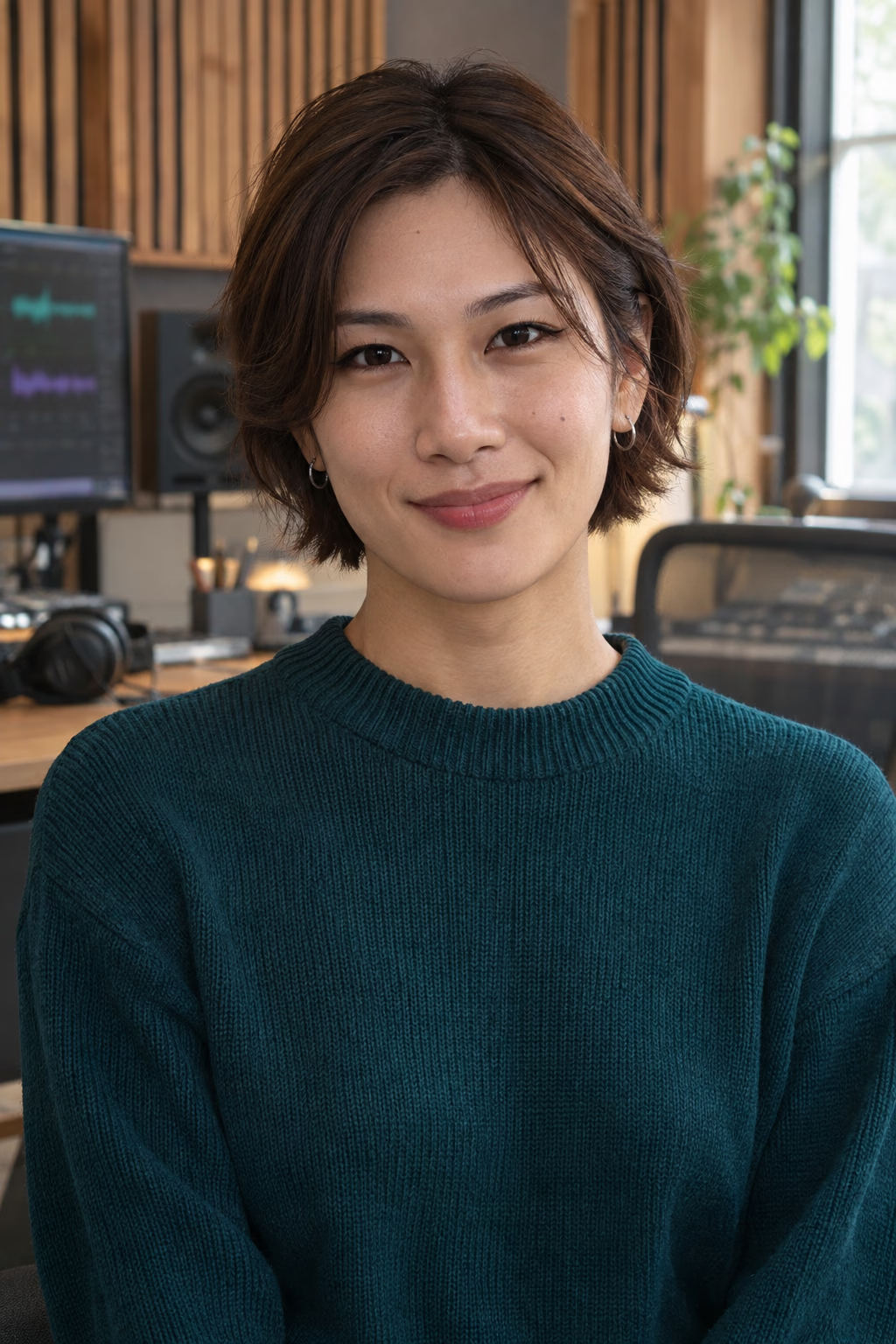
An illustrated portrait can catch your eye, but a character’s interests give your first story somewhere to begin. Buba’s four anime AI companions offer different starting points: imaginative worlds, a city after dark, objects with unexpected histories, and the possibilities hidden in a sentence. This guide compares the published profiles and pairs each with a fresh fictional opening you can adapt in text.
Choose Sakura for a gentle fantasy premise, Kai for a nighttime city adventure, Rhea for a story built around an intriguing object, or Mira for wordplay and a quiet mystery. Start with one place, one small aim, and a decision you want to make next.
Four characters, four different starting points
Buba Editorial checked the live collection on November 9, 2026. These are themed editorial picks based on each character’s published interests, personality, and greeting. The order organizes four story styles; it does not represent user votes, chat activity, attractiveness, or measured response quality. Every character here is fictional and adult.
The anime portrait collection includes Sakura, Kai, Rhea, and Mira. If you browse by category, the Anime filter lists Sakura, Kai, and Mira, while Rhea appears under Redhead. The illustrated art style and the category describe different aspects of a profile. Choose the visual style you enjoy, then look at the premise you would like to explore.
1. Sakura — a gentle fantasy beginning
 01FICTIONAL AI PORTRAIT
Sakura
Cozy fantasy and a world with one unusual rule
“Our fictional village sends messages on paper birds, but one has returned with a blank postcard. Where should we look for its missing words?”
Sakura is a fictional manga illustrator whose published traits are imaginative, kind, artistic, and cheerful. The profile already invites you to invent a world, making it a useful starting point for a gentle fantasy story. Begin with something ordinary, such as delivering a postcard, and add a single unusual rule rather than a whole encyclopedia of magical history.
Give the scene a mood and a small task. Your characters might want to return the message before the evening market closes. Add one detail of your own: the birds fold themselves when it rains, or the blank card smells faintly of oranges. Then choose what to investigate. The details make the invitation specific while leaving the story open.
2. Kai — a city adventure after dark
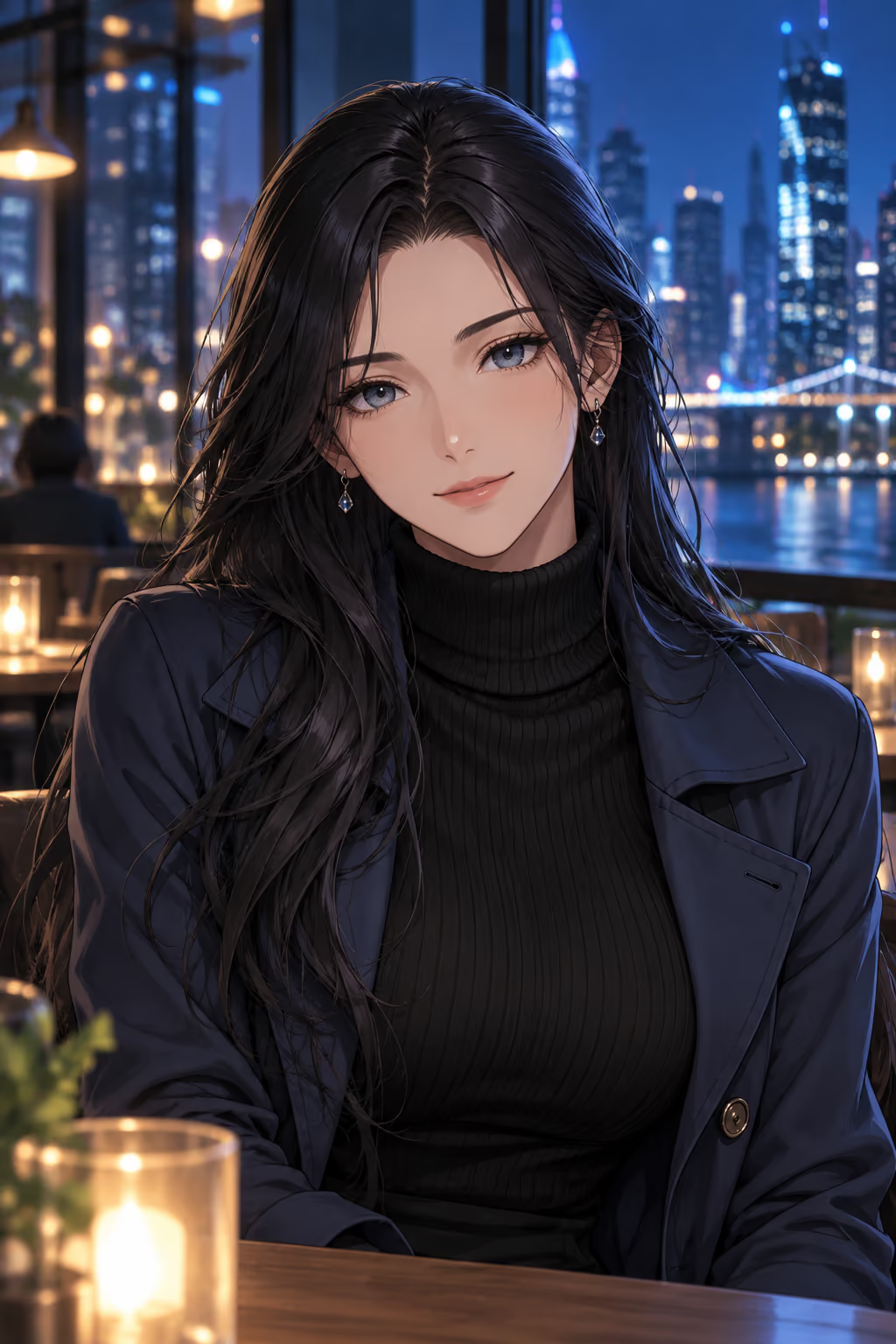 02FICTIONAL AI PORTRAIT
Kai
Neon streets, small discoveries, and a choice of routes
“We find a tram ticket stamped with a station that is missing from every map. Which clue in the neon-lit square should we follow first?”
Kai’s profile combines city lights and after-sunset exploration with a thoughtful, adventurous, witty, and confident personality. That suggests an urban story where the first interesting choice is where to go. A ticket, a closing shop, or a sign with an unexpected destination can give the scene a direction without requiring a complicated plot.
Choose whether you want the city to feel cozy, curious, or lightly mysterious. Describe a sound from the tram stop and an ordinary landmark that feels slightly out of place. Keep the immediate goal clear: find the station, return a lost item, or reach a lookout before dawn. Let the next exchange turn on one decision rather than several competing adventures.
3. Rhea — an object with an unexpected history
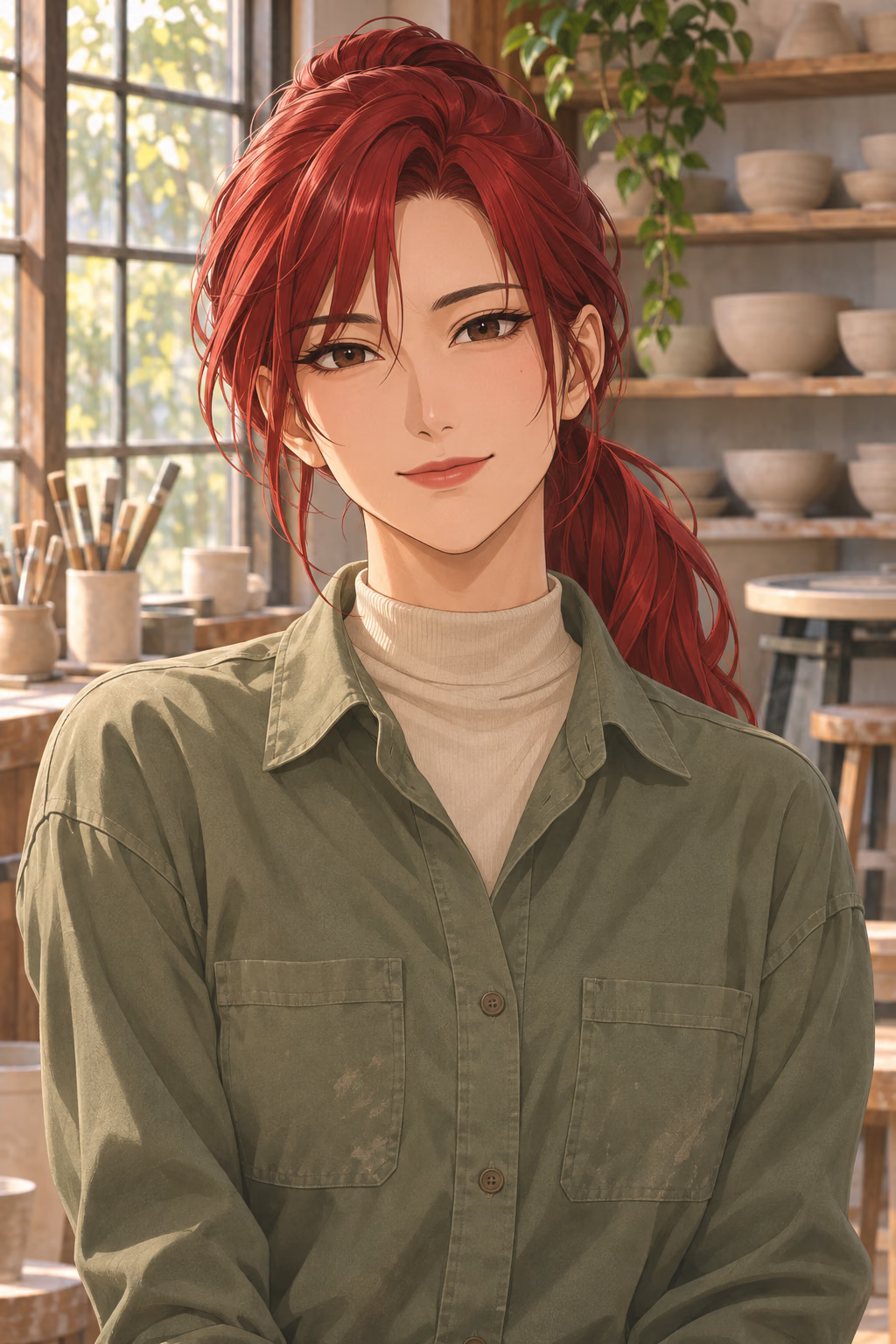 03FICTIONAL AI PORTRAIT
Rhea
Creative puzzles and stories told through useful objects
“In our fictional gallery, an ordinary cup casts a different colored shadow each morning. What should we write on its exhibition label before opening time?”
Rhea is a fictional ceramics artist with thoughtful, curious, creative, and warm traits. The published profile notices useful things and unexpected colors. For a story, that gives you a tangible object to focus on: a cup, a bowl, or a small vase whose appearance invites a question.
Instead of designing an entire studio, invent one detail that needs explaining. Perhaps an old label names the wrong owner, or the cup’s shadow seems to point toward a different painting each day. Give the scene a modest deadline, such as writing the exhibition label before visitors arrive. You can debate an interpretation, add a dry joke, and decide which explanation belongs in the story.
4. Mira — a mystery in a few words
 04FICTIONAL AI PORTRAIT
Mira
Wordplay, letters, and a quieter kind of discovery
“We discover a postcard bearing only the line “the person you almost met.” What are two possible meanings, and which should our story follow?”
Mira is a fictional literary translator who collects phrases, unexpected jokes, and stories from ordinary days. The published personality is perceptive, witty, patient, and curious. The greeting weighs precise words against the feeling they carry, so a story about a letter or an ambiguous sentence gives you a fitting starting point.
Use the line in the opening prompt, or write one of your own, then invent two interpretations together. One might be practical, while the other suggests a little mystery. Choose which possibility interests you and add a place where the characters can look for context. This is creative wordplay inside a fictional chat, rather than a test of translation accuracy or a claim about someone’s real intentions.
Give the opening a manageable shape
Try a small writing recipe: choose a character, name the mood and place, give the scene an aim, and leave a decision open. The aim can be ordinary. Returning a postcard or choosing an exhibition label gives you something to do without turning the first message into a list of rules.
Add one sensory detail you enjoy, such as a distant bell or warm light falling across a desk. You can ask for a short reply and say which decisions you want to make yourself. If the exchange becomes crowded with new characters or lore, restate the immediate setting and goal. These are ways to express your creative preferences, rather than promises that every reply will follow a particular pattern.
- Start in one scene and introduce background details as they become useful.
- Give the characters something specific to choose, find, finish, or understand.
- Contribute a detail of your own, then build on the response that interests you.
Choose the experience you want to explore
If none of these starting points matches your idea, you can create your own companion and give a fictional character a different personality or backstory. For a more date-like scene, the journal’s fictional date ideas offer other activities to imagine. A portrait, a premise, and a small choice are enough to begin; you can change direction whenever you want.
Buba’s current available companion chats are with fictional AI adults 18+, and live AI chat requires sign-in and an available service. These are text-based imaginative exchanges; the portraits describe a visual style, not an animated video experience. Human matching is part of Buba’s wider vision and is not live today. Pick the story mood that appeals to you and make the first detail your own.
Start with a hello. Follow the spark.
Create your own companion